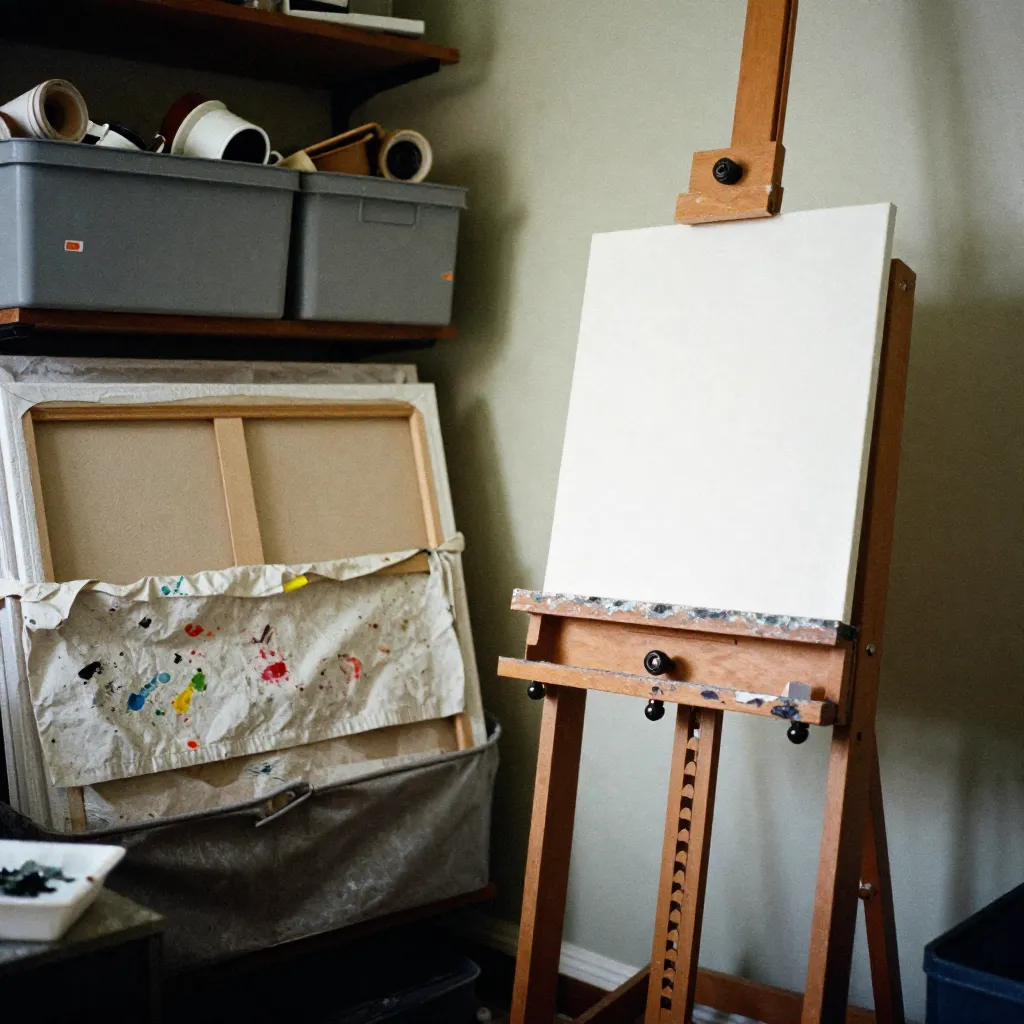
Architectural Approach
Each space is analyzed through workflow mapping and ergonomic principles to create environments that enhance productivity and creative output.
Workflow Optimization
Every design begins with understanding how you work. We map movement patterns, tool placement, and workflow sequences to minimize unnecessary motion and maximize efficiency.
Lighting configurations are calculated using industry standards for specific tasks. Paint studios require different illumination than gaming setups or sewing stations.
Activity Zones
Different activities require different environmental parameters. Each zone is calibrated for optimal performance.

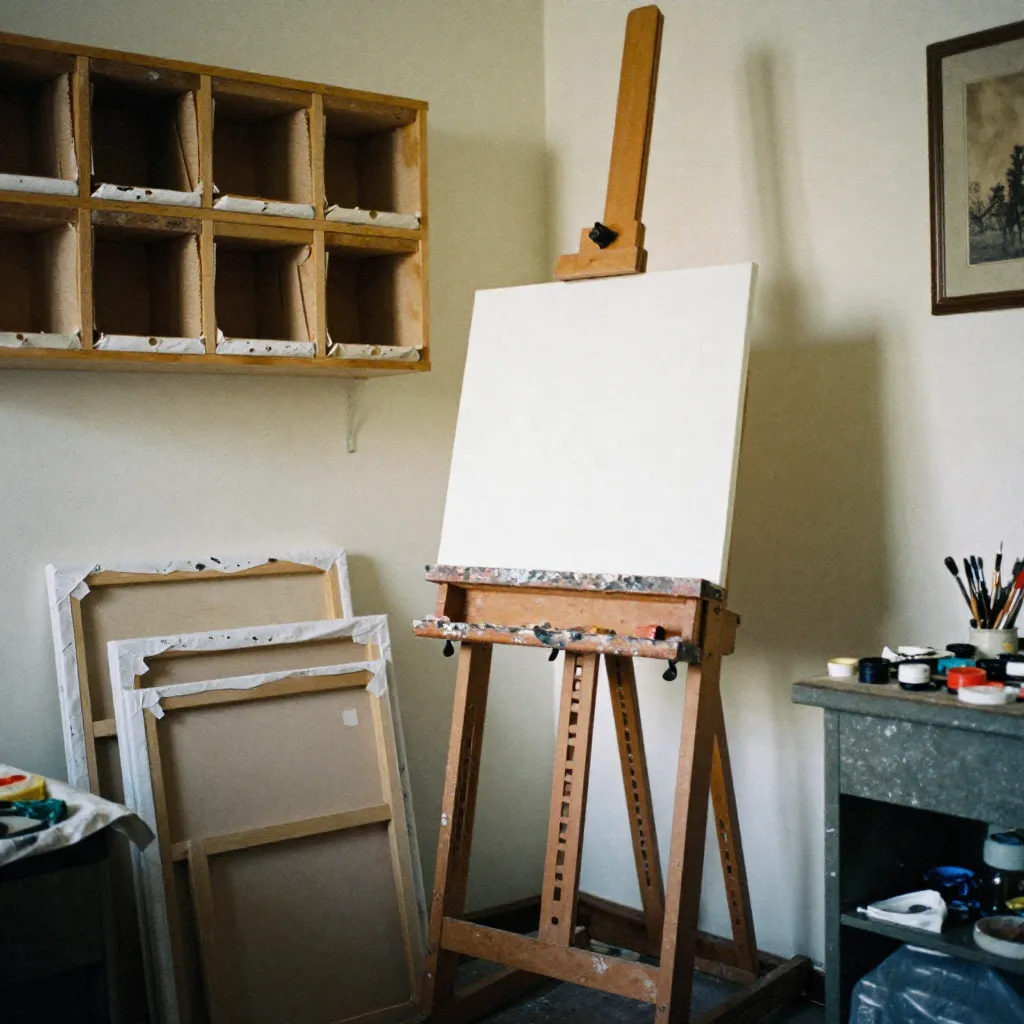
Visual Arts Zone
Controlled lighting conditions with adjustable color temperature. Ventilation systems for safe material handling. Storage solutions for supplies and works-in-progress.
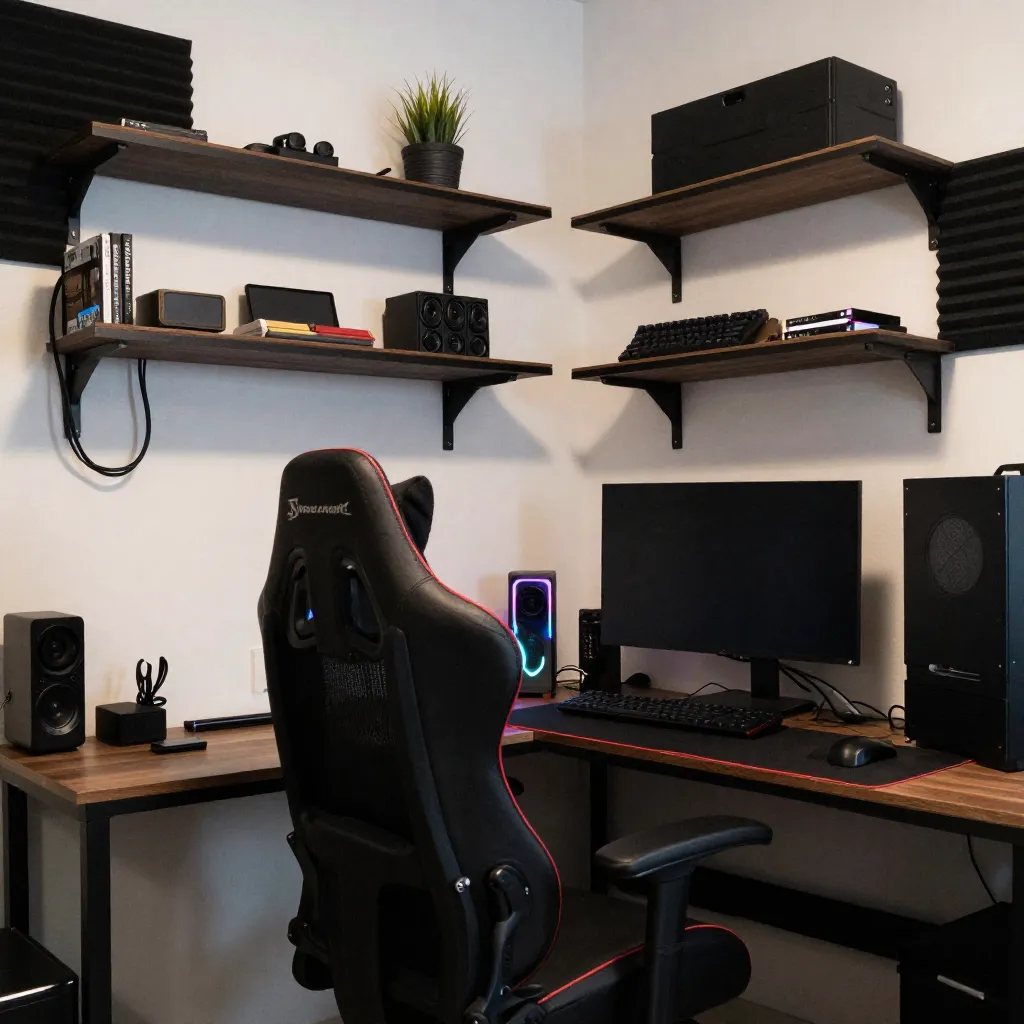
Digital Interaction Zone
Ergonomic display positioning, cable management systems, and acoustic considerations. Ambient lighting that reduces eye strain during extended sessions.
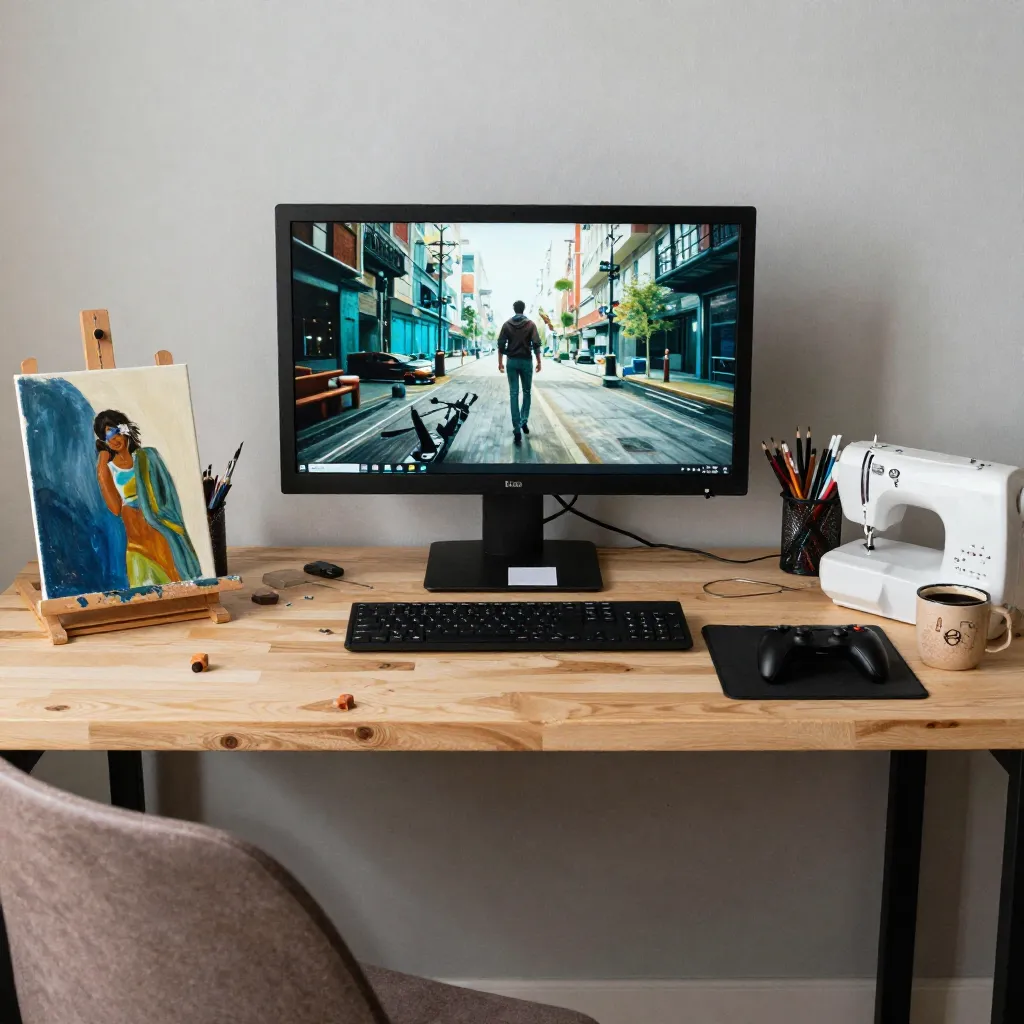
Textile Work Zone
Surface height adjustments for different techniques. Material organization systems. Task lighting for detailed work. Storage for tools and ongoing projects.

Implementation Methodology
A systematic approach ensures that form follows function, and every element serves a specific purpose.
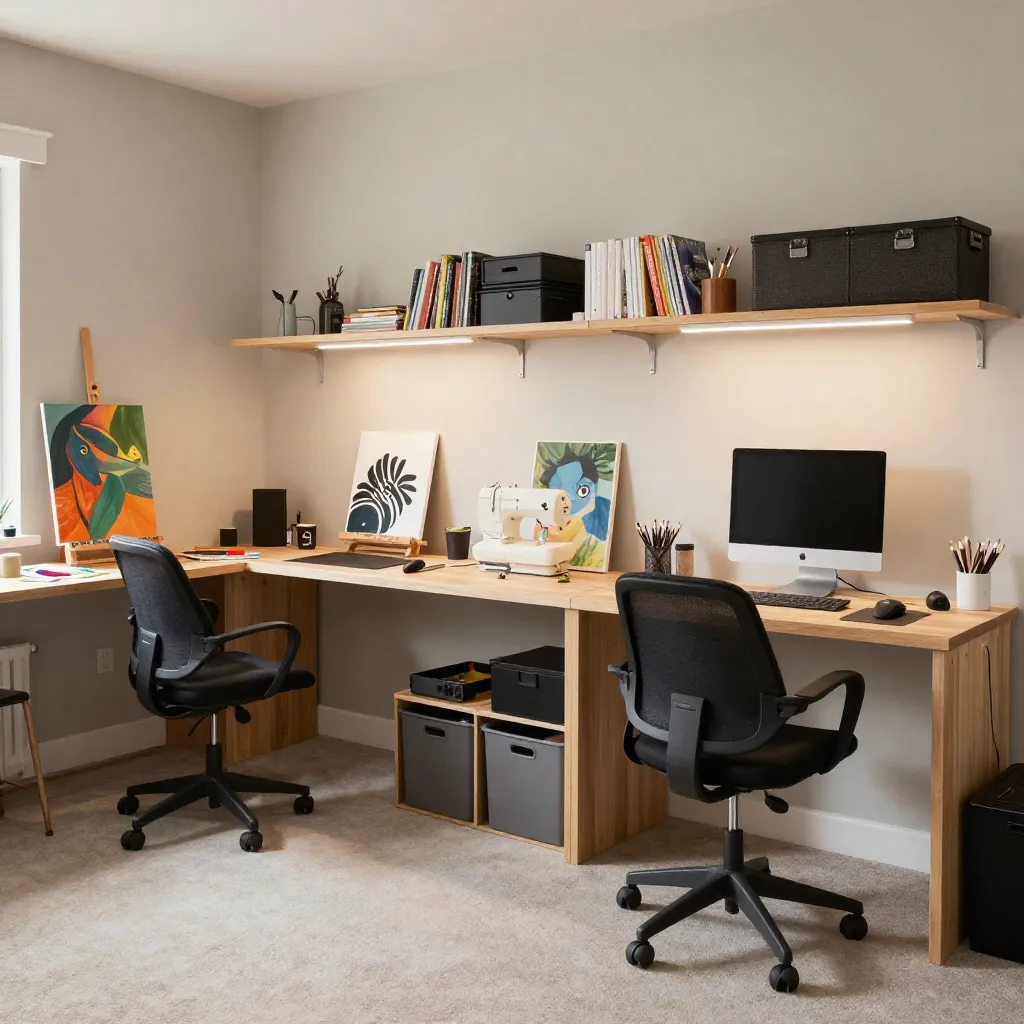
Phase-Based Development
Initial consultation involves mapping current workflows and identifying improvement opportunities. Measurements are taken, and preferences are documented.
Design proposals include technical specifications and visual representations. Revisions are made based on feedback before implementation begins.
Installation follows precise plans, with attention to detail in cable routing, surface treatments, and fixture placement. Final calibration ensures all systems operate within specified parameters.
Adaptive Systems
No two spaces are identical. Each environment is tailored to specific requirements, constraints, and user preferences.
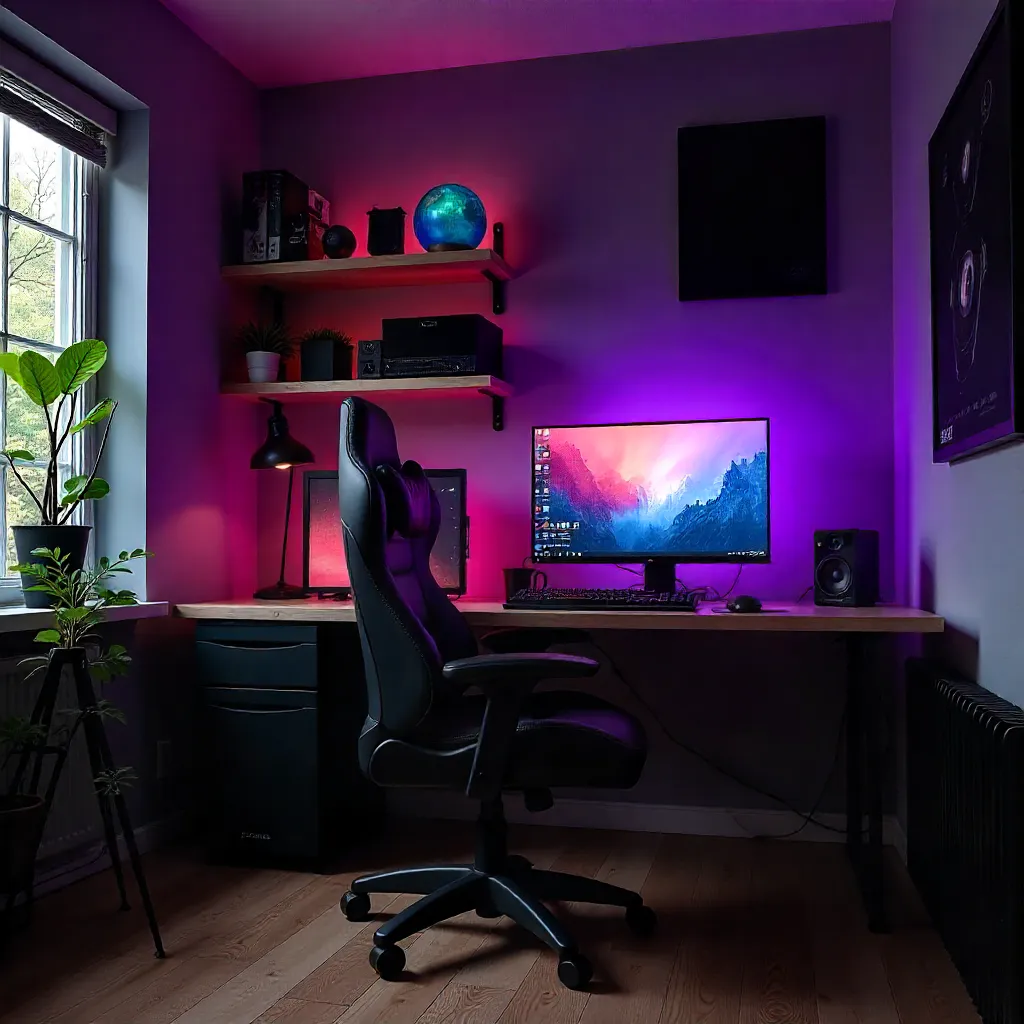
Lighting Control
Adjustable systems allow different modes for various activities. Task lighting, ambient illumination, and color temperature can be modified as needed.

Modular Storage
Reconfigurable systems accommodate changing needs. Components can be rearranged or expanded as requirements evolve over time.
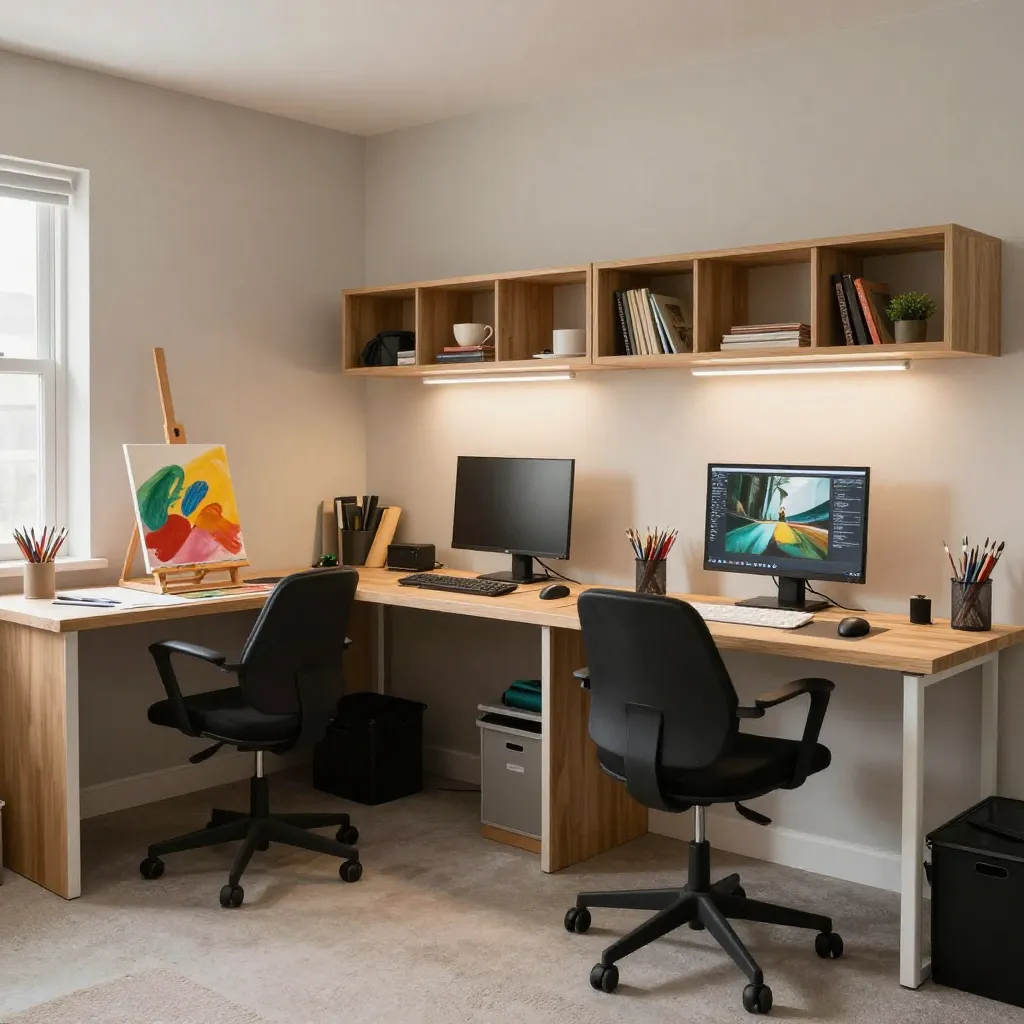
Acoustic Treatment
Sound management through strategic material placement and surface treatments. Reduces unwanted reflections and ambient noise interference.
Performance Standards
All installations follow established guidelines for safety, efficiency, and durability. Materials are selected based on performance characteristics and longevity.
Material Selection
Components are evaluated for their suitability in specific applications. Surfaces are chosen for durability, ease of maintenance, and compatibility with intended uses.
Electrical systems are installed according to local building codes. All fixtures and controls meet relevant safety standards and performance specifications.
Documentation
Complete documentation includes layout drawings, specifications for all components, and maintenance guidelines. This information supports long-term operation and potential modifications.
Records of measurements and configurations are maintained for reference. Future adjustments can be made with full knowledge of existing conditions.
Begin Your Project
Ready to transform your space? Contact us to schedule an initial consultation and discuss your requirements.