
Module Classifications
Every room is designed as a psychological tool, optimized for specific cognitive states and activities.

Precision Module
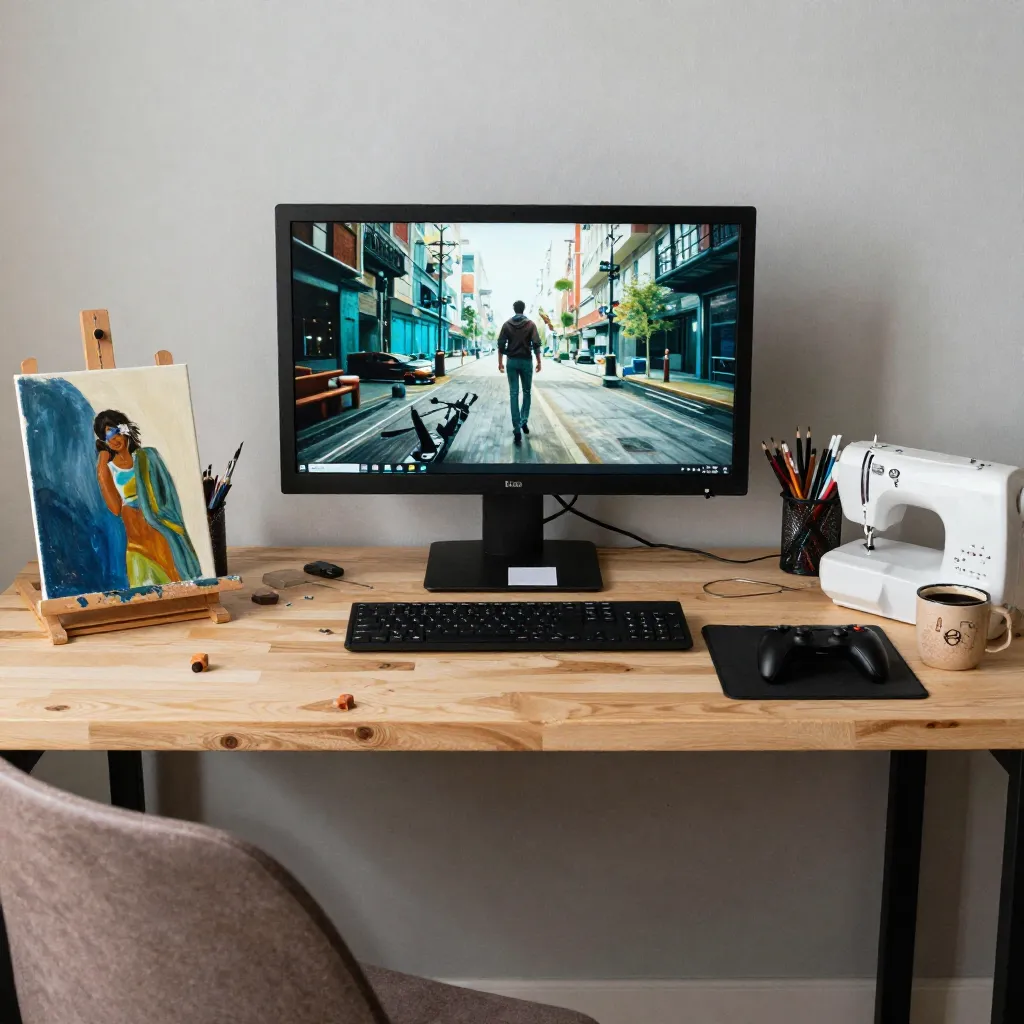
Designed for activities requiring sustained attention and fine motor control. Examples include sewing, model building, and detailed craftwork. Environmental factors minimize distractions.

Immersion Module
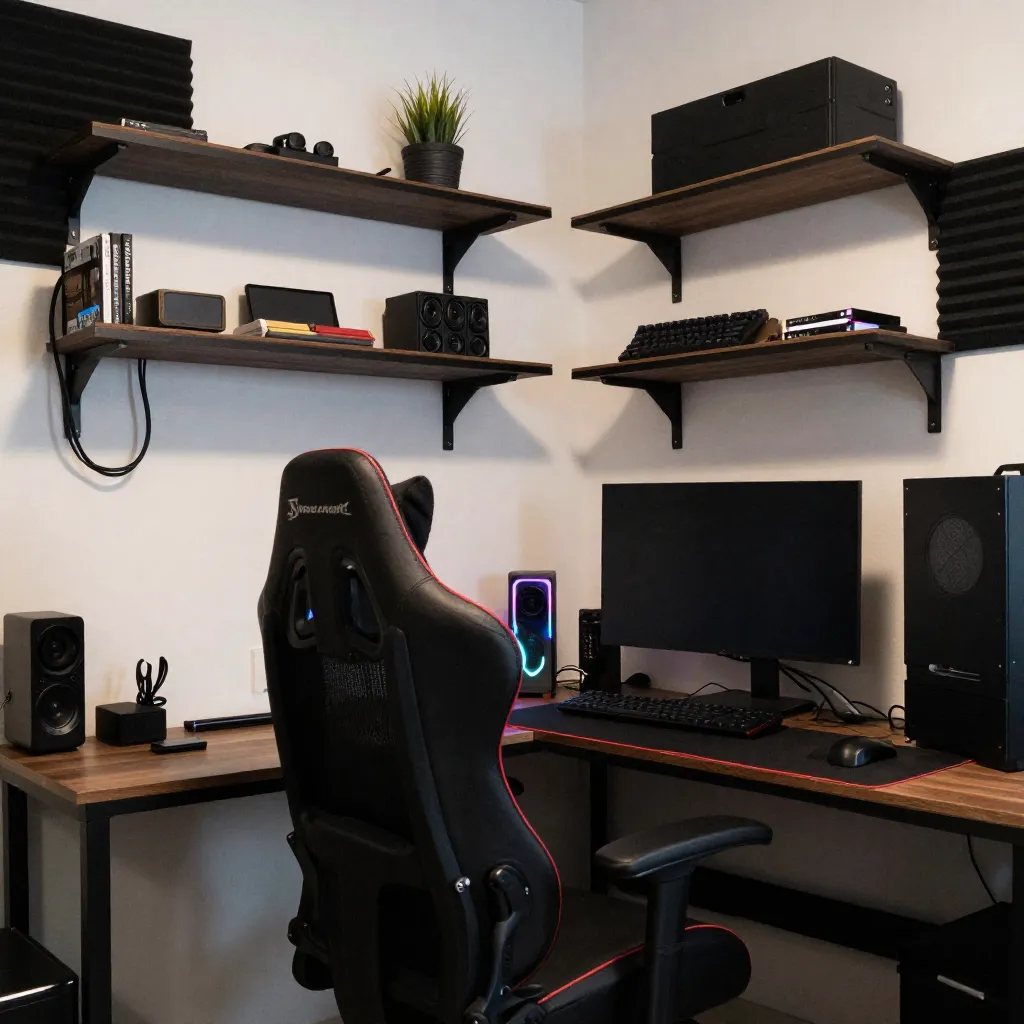
Optimized for activities that require deep engagement over extended periods. Gaming setups, reading spaces, and creative writing areas fall into this category.
Chaos Module
Spaces designed for experimental and exploratory activities. Abstract painting, music production, and mixed-media work benefit from this flexible configuration.
Psychological Principles
Design elements are selected based on research into how environmental factors influence cognitive states and performance.
Environmental Psychology
Color temperature, lighting levels, and spatial organization affect cognitive load and attention. Precision modules use cooler tones and higher illumination to support alertness.
Immersion modules balance ambient and task lighting to reduce eye strain during extended sessions. Chaos modules allow for rapid reconfiguration as projects evolve.

Adaptive Configurations
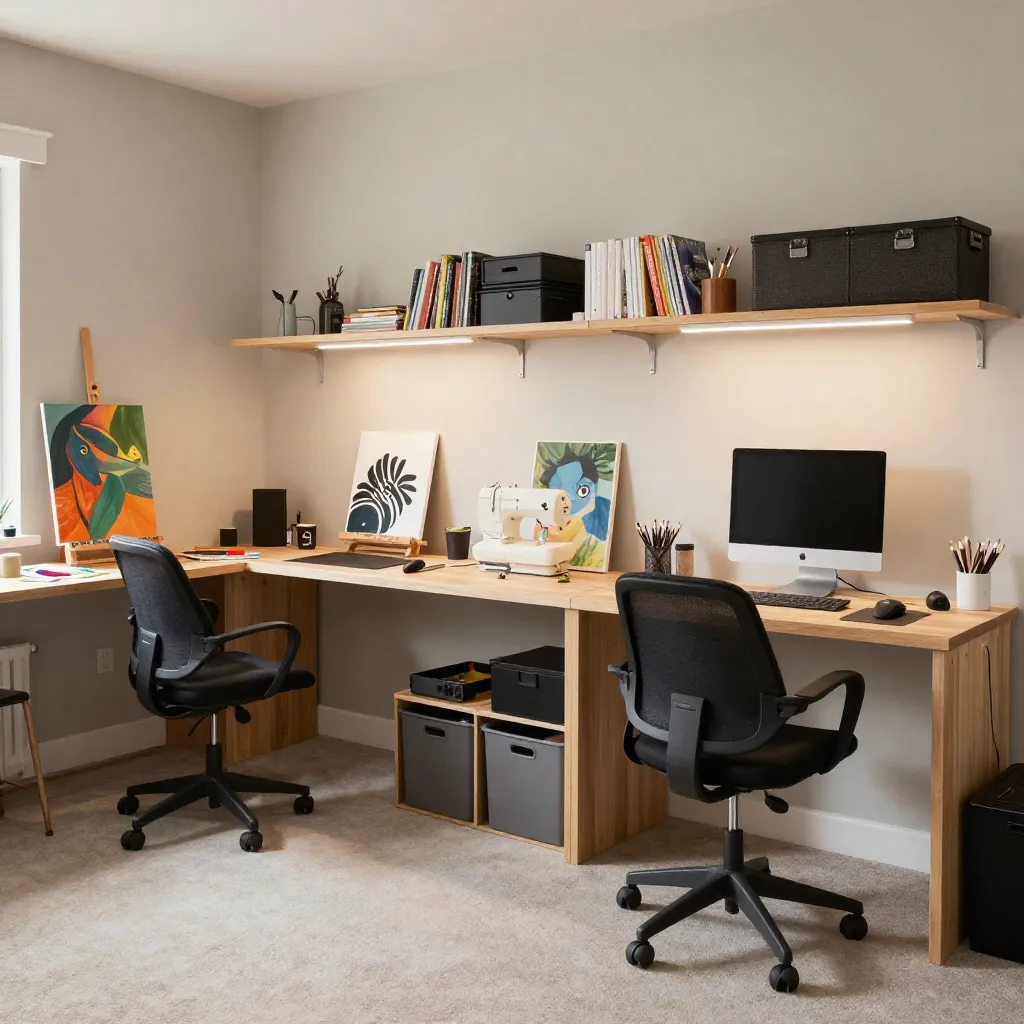
While modules follow established patterns, each implementation is customized to available space, user preferences, and specific activity requirements.
Configuration Variables
Spatial constraints determine base layout options. Available floor area, ceiling height, and window placement influence module configuration possibilities.
Equipment requirements vary by activity. A precision module for electronics work has different needs than one for textile work, even though both prioritize focused attention.
User preferences regarding color, material texture, and aesthetic style are incorporated while maintaining functional requirements of the module type.
Module Selection
Choosing the appropriate module type depends on primary activities, available space, and desired outcomes.
Contact us to discuss which module type best suits your requirements, or explore our configuration terminal for interactive selection.